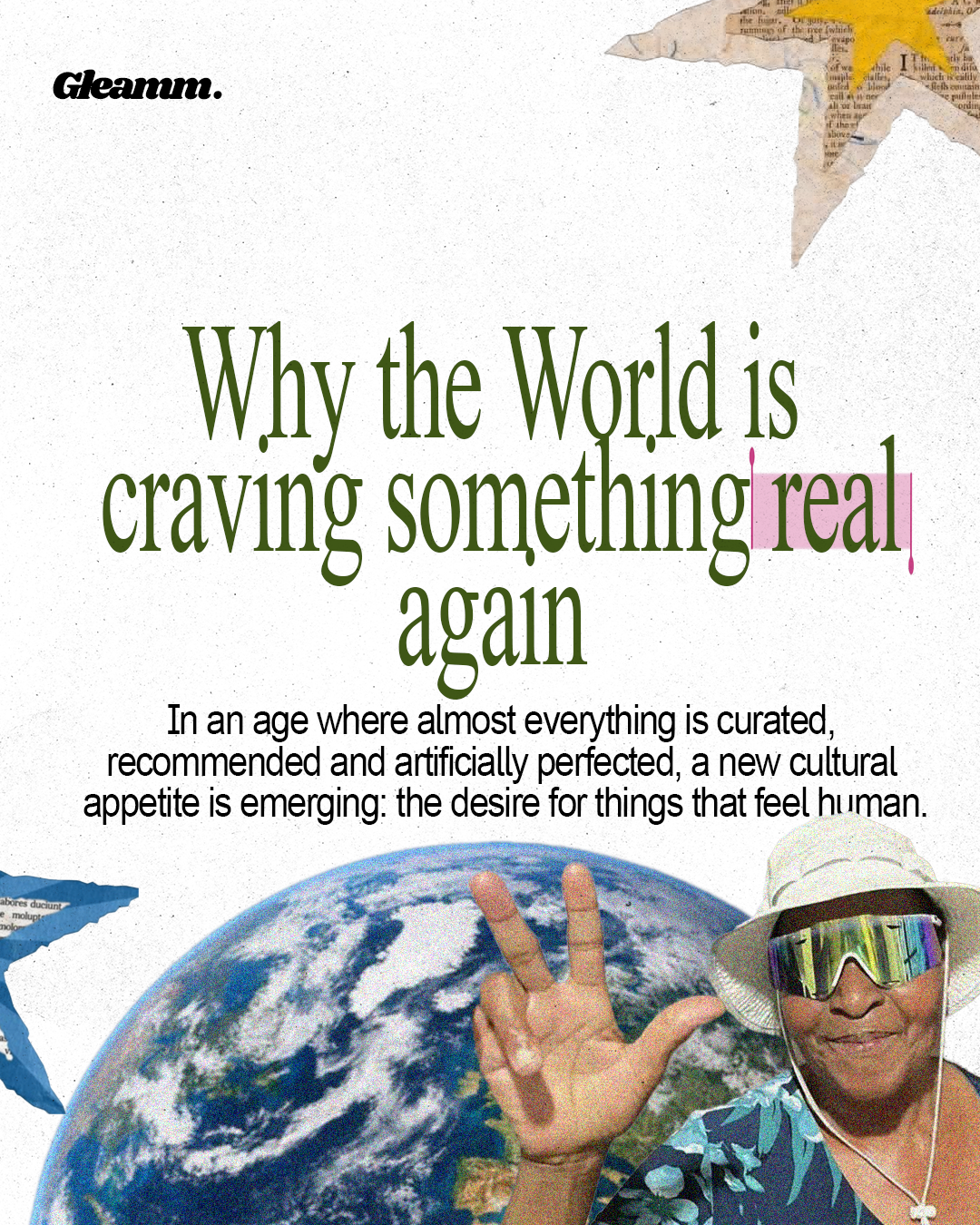
There was a time when discovering something felt like an adventure. Finding an unfamiliar musician, stumbling across an obscure fashion label or encountering an independent film could feel like discovering a world that belonged exclusively to you. Today, however, discovery has become increasingly automated. Algorithms determine what we listen to, recommend what we watch and, in many ways, influence what we consider fashionable, relevant or worth discussing.
But something interesting is happening. As digital platforms become increasingly sophisticated, audiences appear to be developing an appetite for experiences that feel less manufactured.
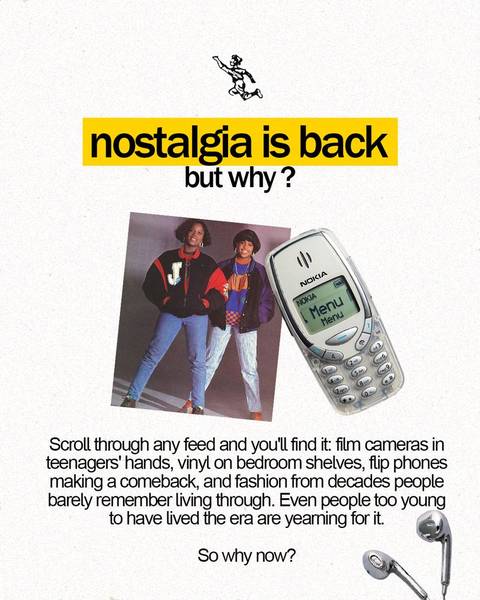
Throughout 2026, conversations surrounding culture have increasingly reflected a resistance to algorithmic uniformity. Creative communities are celebrating unconventional aesthetics, independent experimentation and the appeal of things that are deliberately imperfect. Even the renewed interest in custom-built computers, nostalgic technology and handmade creative projects suggests that people are rediscovering the pleasure of making things for themselves.
It is an interesting contradiction: the more technologically advanced our entertainment becomes, the more we seem to appreciate the limitations of human creativity.
The exhaustion of endless content
Social media has fundamentally changed our relationship with entertainment. Music is increasingly discovered through short-form videos, films compete for attention in an endless streaming catalogue, and fashion trends can emerge and disappear within days.
The convenience is undeniable. Yet, there is a growing distinction between consuming something and actually experiencing it.
An algorithm might introduce someone to a song, but it cannot necessarily recreate the feeling of discovering an artist through a friend's recommendation, attending an intimate performance or spending an afternoon exploring a record collection.
This distinction matters because entertainment has never been exclusively about the material being consumed. It is also about the memories, communities and personal associations built around it.
Recent cultural commentary has identified a growing appreciation for unconventional creative expression and a rejection of content that feels excessively optimised for digital platforms. The appeal of the unusual, the handmade and the imperfect is becoming increasingly difficult to ignore.
The return of the imperfect
One of the more interesting developments in contemporary culture is the renewed appreciation for things that are not necessarily polished.
From DIY technology projects to independent fashion, experimental graphic design and nostalgic digital aesthetics, there is an emerging appreciation for creative work that carries visible traces of its maker.
This is not necessarily a rejection of technology. Rather, it represents a desire to have a more personal relationship with it.
The popularity of retro-inspired digital cameras, physical music collections, vintage clothing and independent print publications illustrates how older forms of cultural expression continue to find relevance among younger audiences.
There is something appealing about owning an object that cannot be endlessly refreshed by an algorithm. A physical magazine, for instance, offers a different relationship with information than an infinite social media feed. It has an editorial identity, a beginning and an end, and an intentional selection of ideas.
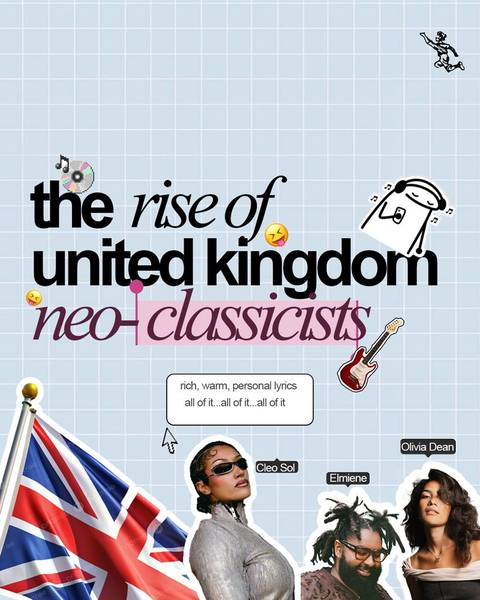
Similarly, the appeal of independent music scenes often lies in their ability to create environments that feel distinct from mainstream entertainment.
Entertainment is becoming an experience again
Perhaps the clearest expression of this cultural shift is the renewed importance of physical experiences.
Concerts, independent exhibitions, listening parties, creative markets and intimate cultural gatherings offer something that digital entertainment cannot entirely reproduce: participation.
Interestingly, the global entertainment industry is also recognising this. PwC's 2026 Global Entertainment and Media Outlook identifies live and immersive experiences as important areas of growth, as audiences continue to seek experiences beyond conventional digital consumption.
This does not mean streaming platforms or social media are becoming irrelevant. Instead, the relationship between digital and physical culture is evolving.
A concert can become a viral moment, an independent exhibition can find an international audience through Instagram, and a relatively unknown musician can build an entire community through online platforms.
The internet remains an important gateway to culture. The difference is that audiences increasingly want somewhere meaningful to go after discovering it.
The future belongs to those who create their own worlds
There is also a wider implication for artists, designers, musicians and independent cultural platforms.
For years, much of the creative industry has operated around visibility. Success has often been associated with reach, engagement, consistency and the ability to remain relevant within rapidly changing digital environments.
However, visibility alone does not necessarily create cultural significance.
The artists and creative communities that leave lasting impressions often offer something more substantial than a constant stream of content. They develop distinctive identities, create recognisable worlds and give audiences reasons to become emotionally invested in what they produce.
This is particularly evident in independent music, underground fashion and niche creative communities, where identity and shared interests can be just as important as commercial success.
Perhaps the next interesting development in popular culture will not be another platform, trend or technological breakthrough. It may be a renewed appreciation for the things that made culture exciting in the first place: experimentation, individuality, discovery and human connection.
Technology will undoubtedly continue to influence how entertainment is produced and distributed. But its growing presence raises an important question: when everything can be optimised for attention, what makes something genuinely worth paying attention to?
Maybe the answer is not more content.
Maybe it is something with a little more character.